
Would a faulty furnace, burst pipe, leaky roof or refrigerator that stops working put you in the poor house?
If so, you aren't alone.
A survey done for homeowner and repairman matchmaking platform Homestars.com by Opinium shows 45% of British Columbians have less than $1,000 available for an emergency home repair.
10% have less than $500 saved.
15% have absolutely no emergency fund at all.
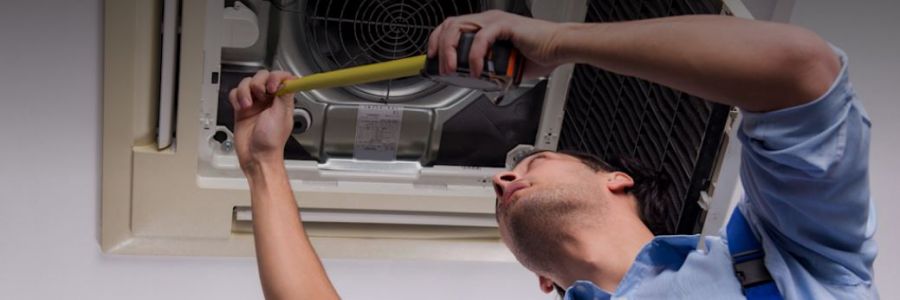
What that means is a typical home repair or replacement costing $1,000 to $2,000 would put most households into a financial tailspin.
They simply couldn't afford it.
Meaning three things -- live with a broken dishwasher (although you can't live with a broken furnace this time of year), use the credit card and go into debt to pay for the repair or borrow money (that will be hard to pay back) from family or a friend.
It's an embarrassing situation that British Columbians don't like to admit their in.
Yet, an increasing number of British Columbians are exactly in such a cash pinch.
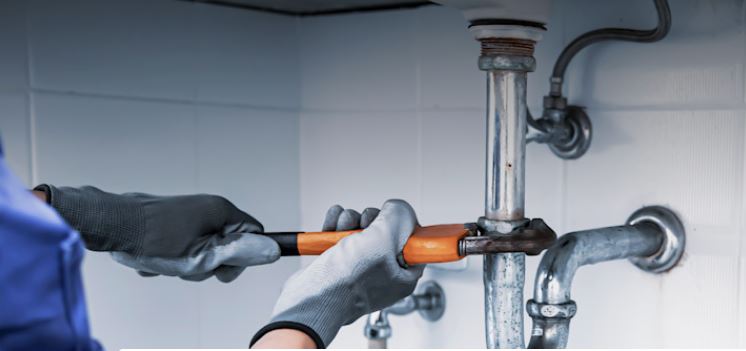
"For millions of residents across Canada, a bill for unexpected home repairs is insurmountable," said Jim Li, a contractor from Homestars.com.
"It's a stressful situation to be in. But, the good news is that many issues can be avoided with proper maintenance."
Prevention is always better than a cure, so make home maintenance a priority.
Simple, routine checks that can prevent a costly surprise include getting your furnace serviced, check eavestroughs and the roof, insulate pipes, get the chimney swept, clear out dryer vents and turn off the water to exterior faucets in winter.

Also, check what your home insurance covers.
It may cover expensive emergency repairs.
Yet, 56% of Canadians do not know what is and is not covered under their home insurance.
However, by its very name, an emergency is an emergency.
It's unexpected and untimely.
That toilet overflow has to be fixed and fixed right away -- often at triple the price if the emergency repair has to be done in the evening, on a weekend or on a holiday.
And, if your fridge craps out and needs to be replaced, you're looking at at least $1,500.
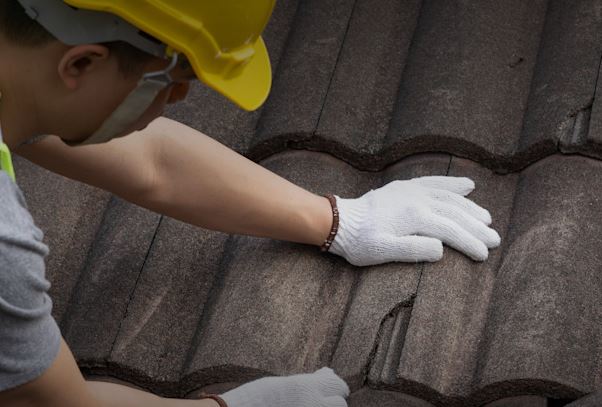
Experts recommend typical households have between $1,000 to $2,000 set aside in a separate, easy-to-access, interest-bearing account for emergency home repairs.
Of course, that's easier said than done at a time when many families are living paycheque to paycheque.
But, it's important to start, even if it's small with $20 a month, to build an emergency fund.
On top of this, experts also suggest you save toward a larger emergency fund that could cover three months of living expenses (including housing, utilities, food and transportation) that can be accessed not just for emergency repairs but in the case of a job loss or medical crisis.
The emergency fund shortfalls show British Columbians are entering 2026 much the same way they finished 2025 -- in a financial pickle.
A survey done for insolvency firm Harris & Partners to develop a financial resilience index found that 57% of the 12,000 Canadians polled said their income no longer covers basic expenses.
That means people are going into debt in order to make ends meet, they scale back spending on home heating, groceries, clothing, entertainment and holidays or they work overtime or get a second job to make more money.
The same survey found 77% could not cover a $500 emergency without going into debt.
And 89% are living paycheque to paycheque, leaving no room for an unexpected, emergency bill for a new hot water heater or furnace fix.