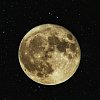
Ok, you can geek out on the galactic science of it or you can just take our word for it that tonight's wolf supermoon will appear sensationally bigger and brighter.
Technically, the supermoon is actually 2:03 am Saturday in British Columbia.
But, for those not wanting to stay up that late, you can see it loom large and yellow and near the horizon to the east shortly after sunset today (Friday).
No telescope needed, just your own two eyes.
As it continues to rise, the supermoon will get whiter all night long.
And, if you miss tonight, the supermoon will appear just as marvelous tomorrow night (Saturday).
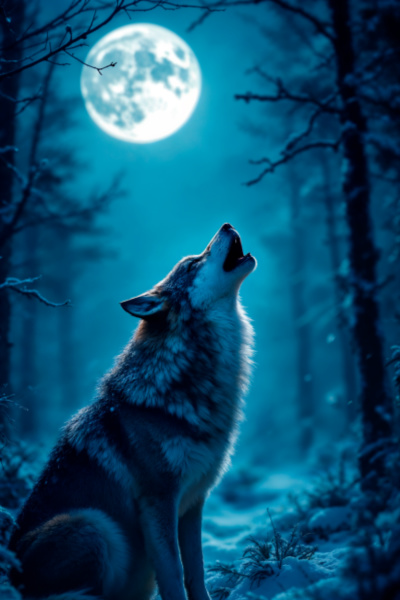
This brings us to why the full moon in January is called the wolf moon.
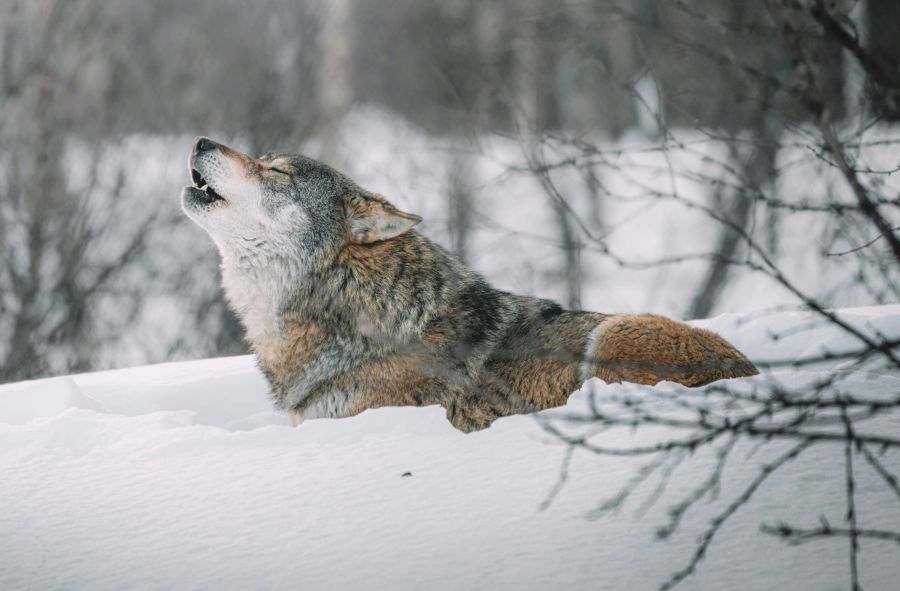
Well, it originally got that moniker because Indigenous peoples and medieval Europeans believed wolves howled more in January's cold and snow because they were hungry.
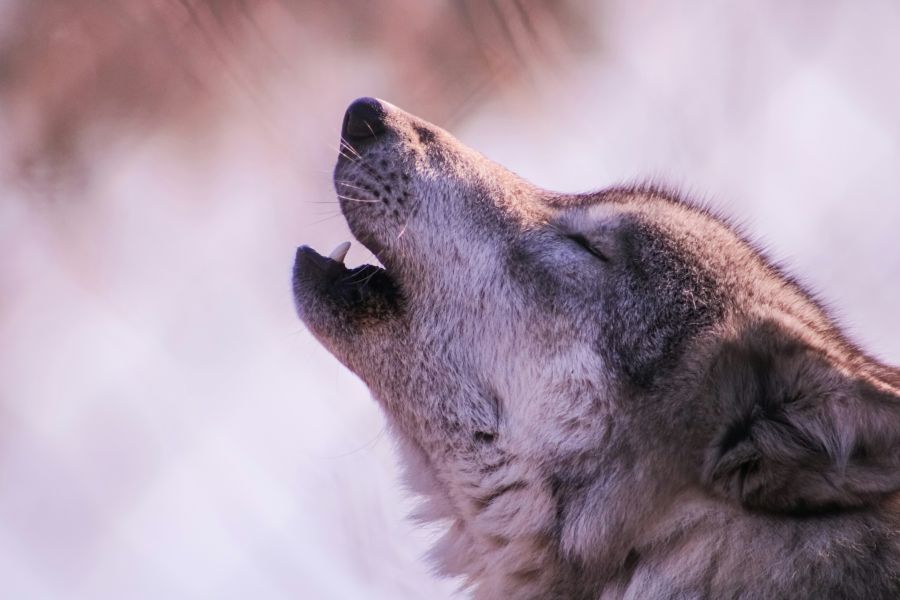
Turns out, wolves aren't necessarily more hungry in January, they're just howling for the same reasons they always do -- to communicate with and locate pack members, define their territory and coordinate hunts.
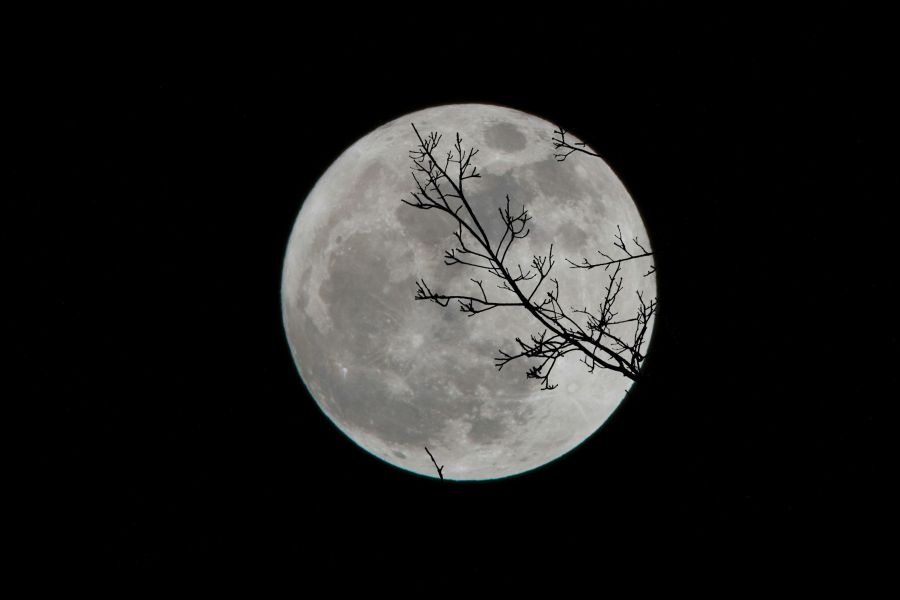
Regardless of the reasons, a wolf howling at the full moon is an enduring image of the dramatic majesty of nature and beast, mythologized by Indigenous people and the Norse.
Plus, you can romantically picture a wolf's howl carrying faster, farther and louder on a calm, clear, cold night illuminated by the full moon.
In fact, it's a triple cosmic wonder.
First, a supermoon only happens when the moon's full phase coincides with prigee -- the point in which the moon's orbit is closest to Earth.
Since the moon's orbit is oval, not round, and ever-changing, at certain times of the year the moon is closer to Earth than usual.
For tonight's supermoon, that distance is 362,312 kilometres compared to the typical 384,400 kilometres.
And, what a difference that 22,088 kilometres makes -- a supermoon that appears between 14% and 30% bigger and brighter than a regular full moon.
Second, the bigger-brighter-and-better phenomena is boosted by the fact that the Earth's orbit is closest to the sun at the same time.
That allows more sunlight to reach the Earth-moon system, illuminating the moon even more.
Third, January's cold night air has less humidity, making the sky more transparent and allowing the supermoon to shine bigger and brighter.
The gravitational tug of the sun and the shifting, long-term relationship between the Earth and moon are also subtle factors.
But, we won't get into them in a nod to brevity.
Happy full supermoon viewing.
Thumbnail images Designed by Freepik www.freepik.com