
A “shocking” amount of marine life is being ensnared in abandoned, lost or discarded fishing gear adrift in Canada’s oceans, internal federal data reveals.
Nearly 86,000 marine animals were caught up in “ghost gear” between 2020 and 2023, according to Fisheries and Oceans Canada (DFO) data obtained by Canada’s National Observer through an access to information request.
Of that total, 85 per cent was classified as a “commercially valuable species,” DFO staff stated in a June 2024 memo to former fisheries minister Diane Lebouthillier.
The data derived from DFO’s lost gear reporting system over those four years “is almost certainly an undercount” of the true toll ghost gear is having on marine life, ocean ecosystems and commercial fishing, said Sean Brillant, senior conservation biologist for marine programs with the Canadian Wildlife Federation.
“It’s a shocking and disappointing number,” Brilliant said, noting most ghost gear submerged in the ocean is never found or recovered.
Lobster pots and crab traps represent the primary gear retrieved, accounting for 74 per cent of the total. They are associated with the highest bycatch, DFO said in an email response to questions from Canada’s National Observer.
Approximately 80 per cent of the ghost gear bycatch was recorded along the Atlantic coast, where the problem of derelict gear surged after Hurricane Fiona, which prompted a ghost gear recovery effort in 2022 to 2024, DFO said. The storm devastated active fishing and aquaculture operations and storage facilities at small DFO harbours in the maritimes and eastern Quebec washing massive amounts of gear and structures out to sea.
Shellfish made up the largest concentration of the animals trapped in ghost gear reporting data.
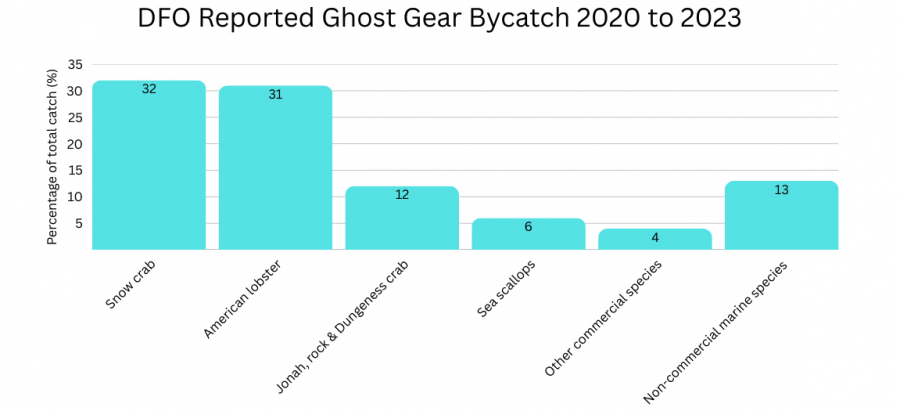
American lobster was 31 per cent of the ghost catch, snow crab was 32 per cent and Jonah, rock and Dungeness crab collectively totalled 12 per cent. Sea scallops accounted for six per cent and four per cent of the remaining commercial species impacted included Atlantic and Greenland halibut, Atlantic cod, herring and sea urchin.
The remaining 15 per cent — or approximately 13,000 marine animals not deemed commercially valuable — included rockfish, skate, smelt, squid, hake, perch, sculpin, spider crab, lumpfish, marine plants and molluscs (which include clams, snails, slugs).
Although not captured in DFO’s bycatch snapshot, marine mammals such as endangered North Atlantic right whales, at-risk humpbacks, sea lions, turtles and otters regularly fall victim to ghost gear, with most incidents and fatalities going unreported, Brilliant said.
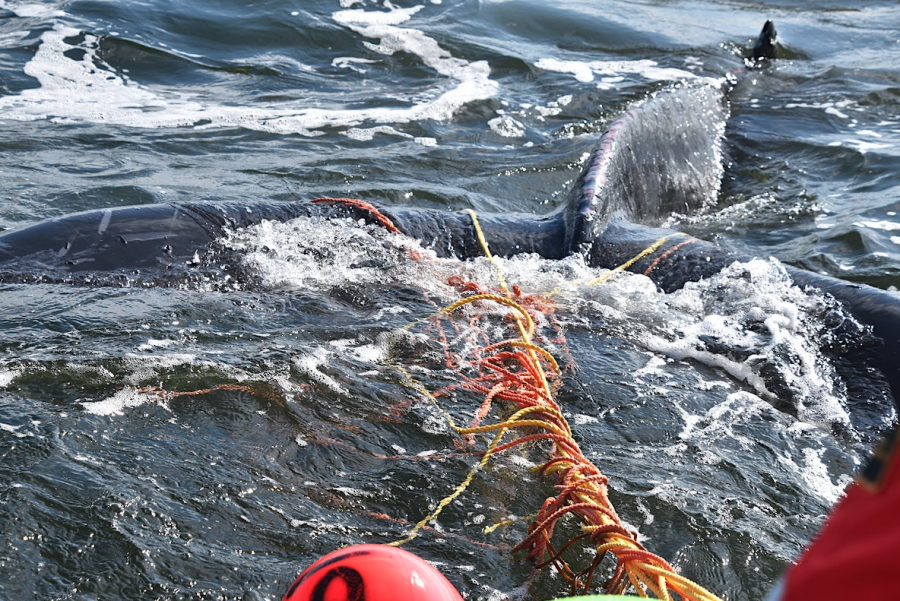
Fishing gear can involve ropes that stretch “the size of a 120-storey building”, often attached to an anchor and traps at the ocean floor and a buoy at the surface, he said, noting these rope systems pose a big threat for whales.
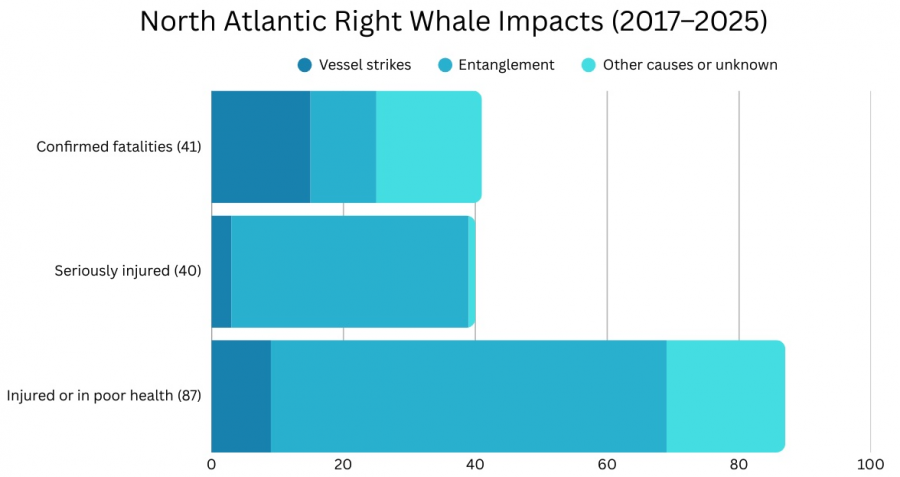
Only about 380 endangered North Atlantic right whales continue to range the east coasts of Canada and the US, with entanglement and vessel strikes posing the primary threats, according to the US National Oceanic and Atmospheric Administration (NOAA).
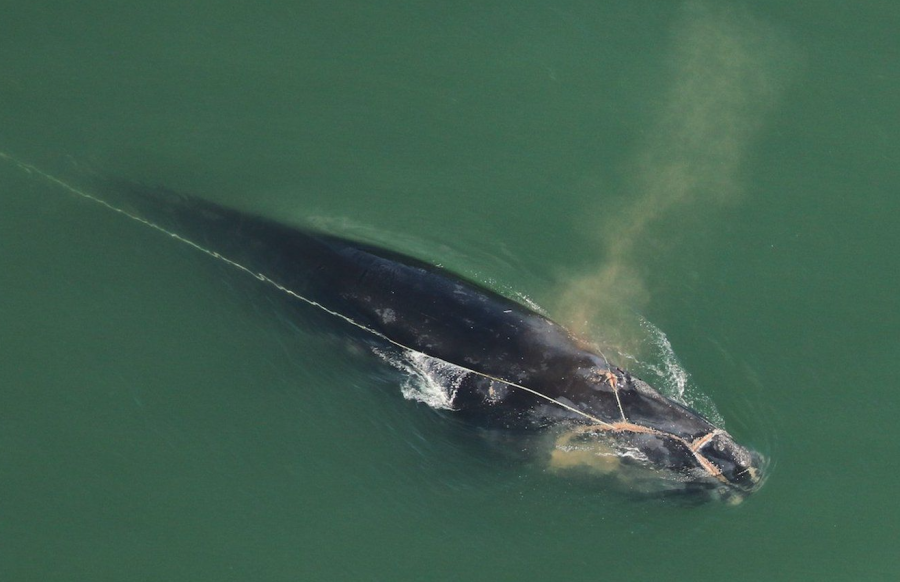
The most recent ghost gear incident involved “Division”, a young male North Atlantic right whale spotted on the Georgia coast in early December. He was severely ensnared by fishing lines cutting into his head and blowhole. While rescue crews were able to remove some of the gear, his survival remains uncertain and he hasn’t been spotted again.
Three humpbacks on the West Coast were disentangled in a two-month span this fall by DFO’s marine mammal rescue team while a fourth entangled whale was able to shed her gear. The threat of ghost gear is so pervasive that half of the humpbacks recorded on the BC coast have entanglement scars.
On the West Coast, Pinnipeds such as seals and sea lions are also especially prone to getting caught up in fishing gear, Brillant said.
More than 400 sea lions along the BC coast at any time are caught in discarded rope, nets, packing bands and monofilament lines, according to estimates from the Vancouver Aquarium Marine Mammal Rescue Society. Nets, ropes, packing bands and nylon fishing line get wrapped around the animals, cutting into their flesh and causing painful injuries or death.
Getting a sense of the scale of the problem and developing solutions to the problem of ghost gear is critical, Brilliant said.
In 2021, DFO established a mandatory lost gear reporting system, requiring commercial fishers to report when, where and what gear they have lost. The system has accumulated valuable data to help evaluate hotspots for gear loss and what gear is causing the most damage, Brilliant said.
“We need that information to be able to solve this problem, but we’re only going to solve it by acting,” he said.
“We need to find the resources to prevent and eliminate this ghost gear.”
As much as two per cent of all fishing gear worldwide breaks loose into the ocean where ropes, nets and crab and lobster traps can smother important habitats such as coral reefs. The “ghost gear” negatively impacts valuable commercial fish stocks, threatening coastal livelihoods and food security.
For the most part, the problem is not caused by fish harvesters improperly disposing of gear, Brilliant said. The more common culprit is wild weather, severe ocean conditions, or accidents where gear gets caught on the ocean floor or tangled up in other vessels.
Resolving the complex issues of ghost gear shouldn’t solely fall on commercial harvesters, Brilliant said, adding seafood consumers, coastal communities and governments all benefit from the sustainable use of ocean resources and need to contribute to solutions, he said.
“This is a societal problem. If we want to continue to get benefits from the ocean then we [all] need to find ways to address this.”
Rochelle Baker / Local Journalism Initiative / Canada's National Observer