War and the intertwined economics are complicated.
However, generally, the Iran war will jump start inflation, hike the price of oil and ripple out to push up the cost of groceries, gas for the car and energy for home and business heating and cooling.
So says Dr. Sylvain Charlebois, aka the food professor, who spoke with Jim Csek and Iain Burns on The Really Big Show this week.

"Inflation or energy costs will become a problem and actually could inflate prices higher for many commodities and food prices because we transport a lot of our food across the country and across the continent," said Charlebois in reference to how the Iran war ties into inflation and the cost of groceries.
Charlebois pointed out that the Iranians control the Strait of Hormuz, through which 20% of the globe's oil, 24% of natural gas and 30% of chemical fertilizer passes on trade routes.
Disruption to that trade route alone would make oil, gas and fertilizer scarcer, drive up the price of other oil, gas and fertilizer, and, in turn make the production and distribution (transportation using gas) of food more expensive—an added cost that's always ultimately passed on to the consumer.
Charlebois is a researcher at Dalhousie University in Halifax and a visiting scholar in food policy and distribution at McGill University in Montreal.
.jpg)
There's a difference between war-prompted inflation and regular inflation.
Regarding regular inflation, Charlebois said: "We shouldn't be demonizing food inflation.
You need inflation. I know that some schools of thought say, well, you shouldn't have inflation at all. I disagree with that because it doesn't stimulate innovation at all. It doesn't really get companies to think differently about the market."
Charlebois said the sweet spot for inflation is 1.5% to 2.5%.
Yet, food inflation has been above 2.5% for several years, even without the Iran war factored in.
"So we need to bring that down as much as possible," he said.
"And how do you do that? Well, you deal with structural issues like the implementation of the (Canada Grocery) Code of Conduct was a good thing. But, I'm not sure it's going to work (because it's voluntary for grocers and industry). If it does work, it's actually going to help. It's going to create a level playing field between manufacturers and, and grocers. And grocers won't gouge suppliers as much as they are now. I would say eliminating interprovincial trade barriers, including supply management, would probably save $500 to $700 of food (cost) per person (per year) in Canada."
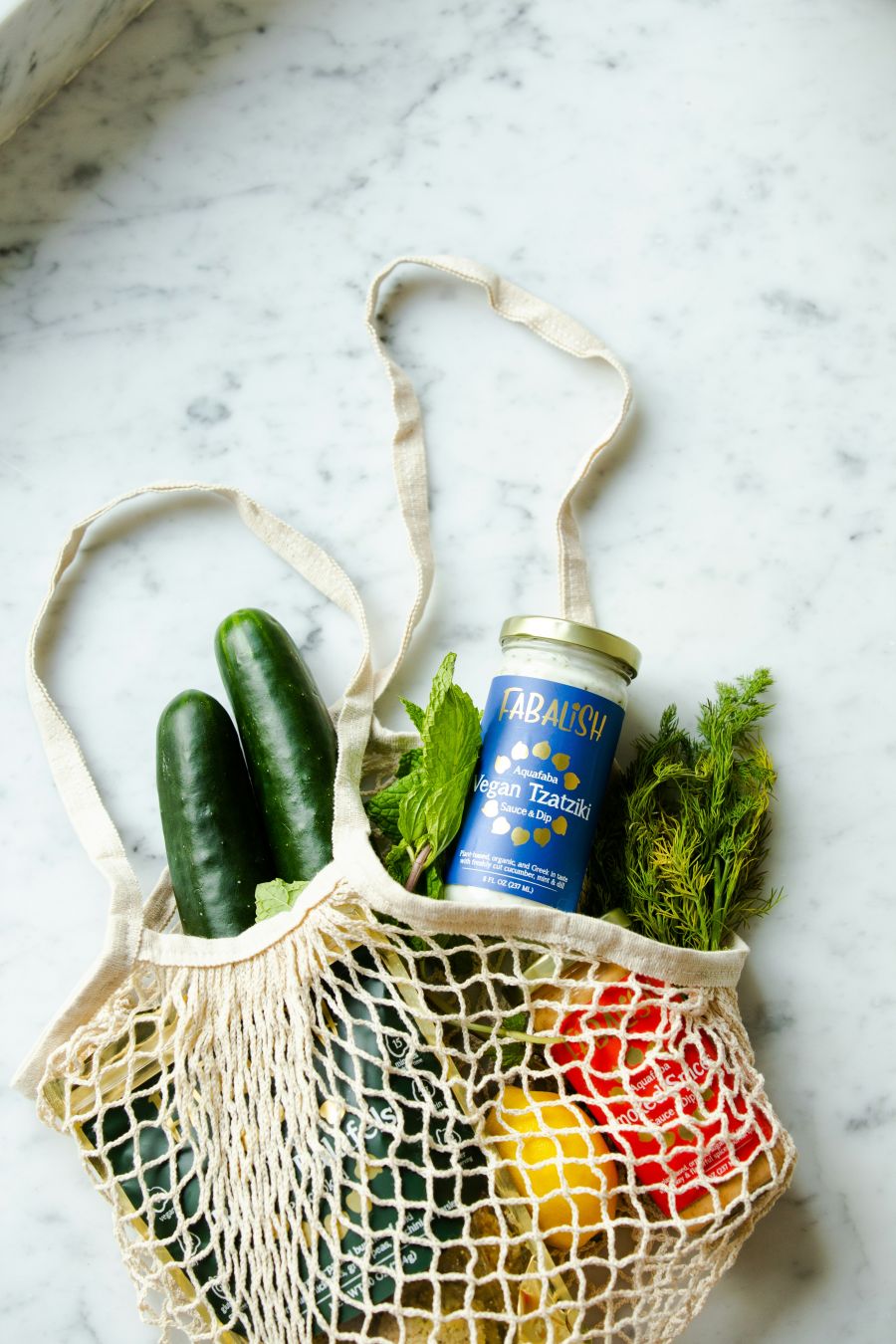
The food professor also thinks the food supply chain should be exempt from carbon pricing because it's such a low-margin profit industry.
Climate change is also a factor in food inflation, especially cocoa, coffee and beef.
So, Charlebois feels carbon pricing should not be piled on top of that.
In search of cheaper groceries, the food professor avoids big chains like Loblaw (Real Canadian Superstore, No Frills and Shoppers Drug Mart) and Sobeys (Safeway, IGA, FreshCo and Thrifty) in favour of small independents that tend to have lower prices.
"They have better deals because they actually work their supply chain very differently," he said.
"There's one piece of advice I could give to your listeners. Just look around and they'll see. You'll find stores with better prices. It might not have all the variety you're looking for, but you will find better prices."
Watch the clip from the interview here.
Watch the full interview here.