
Yipee.
An extra hour of daylight at the end of the day.
Not only will we get that tomorrow with tonight's one-hour 'spring forward' time change to daylight saving time.
But, we'll have it forever more because after years of dithering, British Columbia is adopting permanent, year-round daylight saving time.
That means tonight's time change will be the final one you ever have to do in BC.
Year-round Pacific time, will be BC's new permanent time zone.
The province made the announcement of permanent, year-round daylight saving time earlier this week, framing it as good news for everyone in BC.
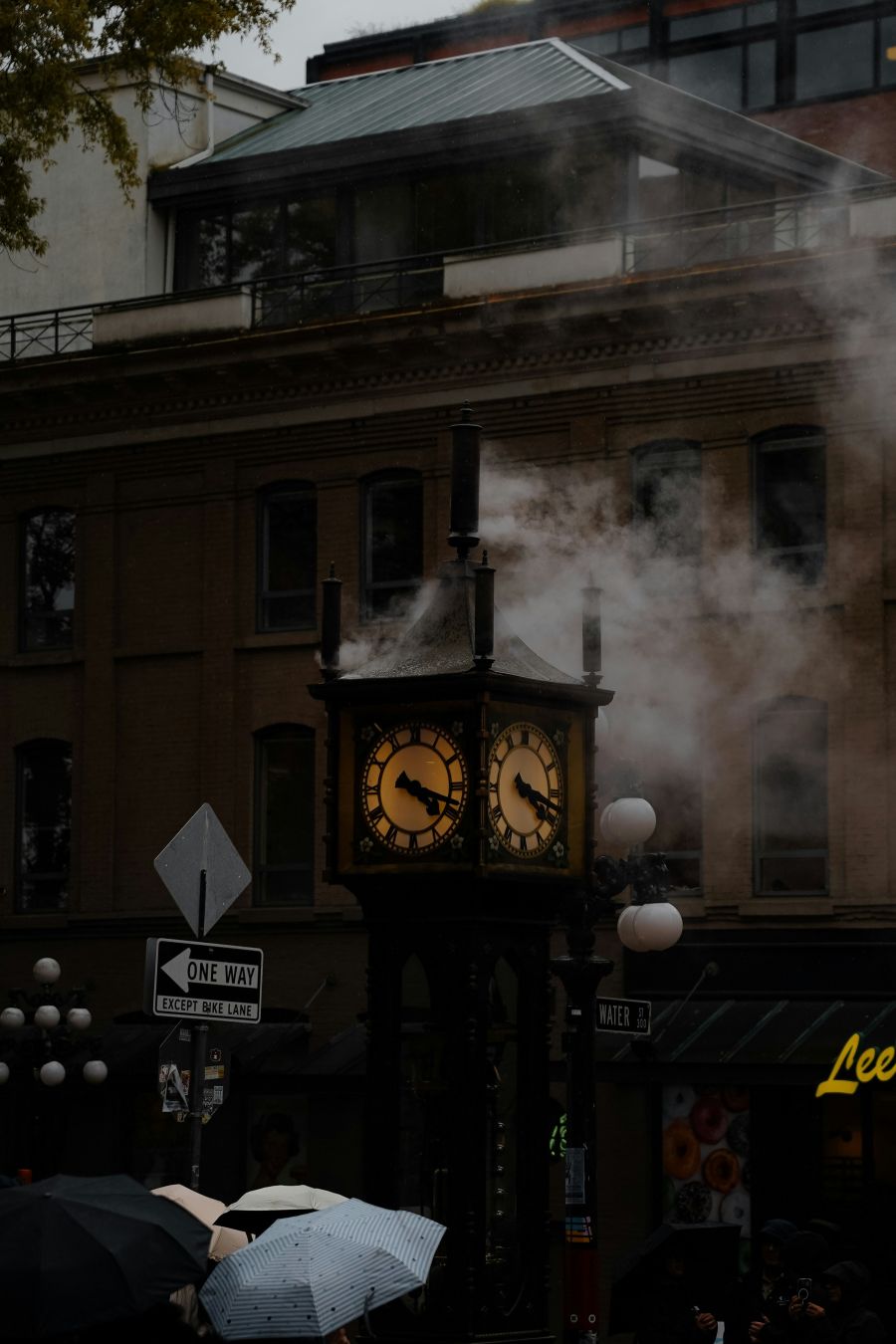
"We have heard the overwhelming majority of people in B.C. (93%) who want to end the back-and-forth of seasonal time changes," said Niki Sharma, BC's Attorney General.
"This shift offers more stability, supports public well-being and reduces twice-yearly, unnecessary disruptions to the routines of parents, shift workers, small businesses, pet owners and so many more. I look forward to all of us enjoying an extra hour of sunlight after work and school for many winters to come."
The final time change (from 2 am to 3 am on Sunday) will flip the time we experience daylight from the morning to the early evening.
To illustrate, today's sunrise was at 6:28 am and sunset was 5:50 pm.
After tonight's time change, Sunday's sunrise will be 7:26 am and sunset 6:52 pm.
True, it will be a shame to lose that morning light, but it will be gained in the early evening, when more people appreciate it.
Keeping year-round permanent daylight saving time means less upheaval for sleep patterns, school schedules and daily routines.
It will be most noticable in the winter when we have the extra hour of light at the end of the day for more outdoor activities, leisure time and even going to the grocery store after work without it being dark.
Essentially, it's a lifestyle mood-lifter.
Changing the clocks twice a year was an old-fashioned notion, anyway.
It was introduced during World War I to shift an extra hour of light to the early evening, conserving energy because people wouldn't have to turn on their lights or heat earlier.
It's a myth that farmers initiated or benefited from time changes.
They actually find it disruptive and are up before the sun anyway to start chores.
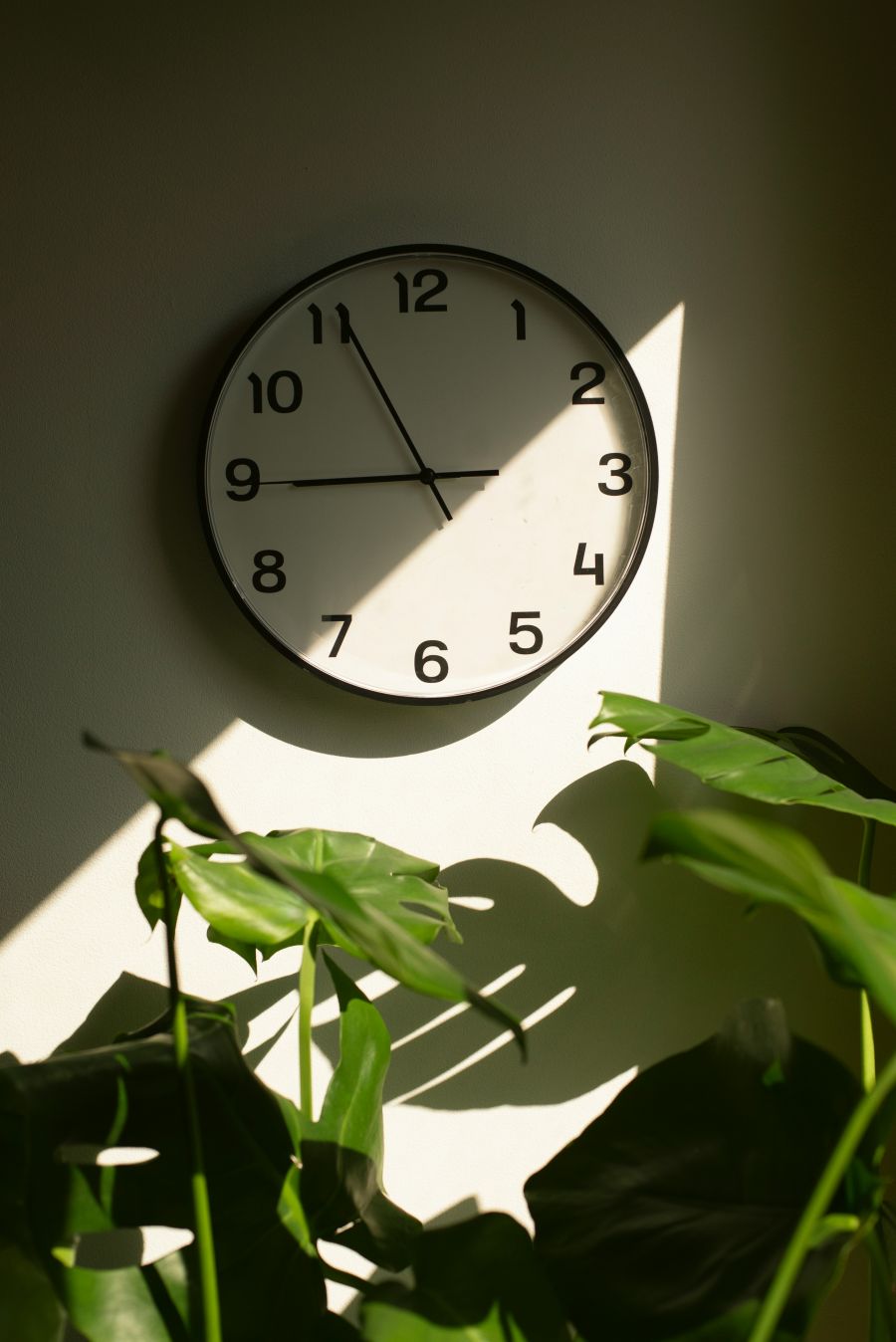
Now, BC has eight months to prepare for the elimination of the next time change, which would have been Nov. 1, 2026.
When Nov. 1 comes, you won't have to do anything.
No time will have to be changed, no schedules will be disrupted.
"Every parent knows that changing clocks twice a year causes a significant amount of chaos on already busy lives. British Columbians have been clear that seasonal time changes do not work for them," said Premier David Eby.
"This decision isn't just about clocks. It's about making life easier for families, reducing disruptions for businesses and supporting a stable, thriving economy. I am hopeful that our American neighbours will soon join us in ending disruptive time changes."
That's right, BC was initially waiting for Washington state, Oregon and California to move to permanent year-round daylight saving time to ensure West Coast consistency.
But, BC got tired of waiting for our US neighbours, so it decided to institute the change to forever daylight saving time this weekend.
Washington state, Oregon and California are expected to adopt permanent daylight saving time soon.
There will be some complications.
While Pacific time will be BC's permanent year-round time zone, some communities in eastern BC observe mountain time.
Dawson Creek, for instance, observes mountain standard time year-round, which means it will soon be on the same time as most other places in BC in the winter and summer months.
Cranbrook for example, observes mountain time, but switches between standard and daylight times twice a year.
It will only be on the same time as the rest of BC in the winter and one hour ahead in the summer.
Permanent daylight saving time Pacific time will align us with the Yukon year-round.