
It's a crisis.
It's complicated.
And it needs reconstruction surgery.
That's how the Canadian Food Innovation Network characterizes the ever-rising cost of groceries.
.jpg)
Yesterday, Statistics Canada released the latest Consumer Price Index and inflation numbers and they immediately prompted much hand-wringing and criticism.
The cost of food was up 7.3% in January, inflation was up 2.3% year-over-year in January, restaurant meals skyrocketed 12.3% year-over-year and over the past year the cost of ground beef has spiked 22.4%, pork shoulder 13.2%, whole chicken 12.9% and ground coffee 37.4%.
Overall, inflation was up 2.3% year-over-year in January in Canada.

"For so long, it was handy and affordable to import food from the US," Alexandra Barlow, vice-president of programs for the Canadian Food Innovation Network, told NowMedia Group.
The network is a member-based organization representing food manufacturers, retailers and distributors.
"But now, with world volatility, tariffs, climate change and interrupted supply chains, we're paying so much for food," added Barlow.
"Groceries are constantly taking bigger and bigger chunks of household budgets."
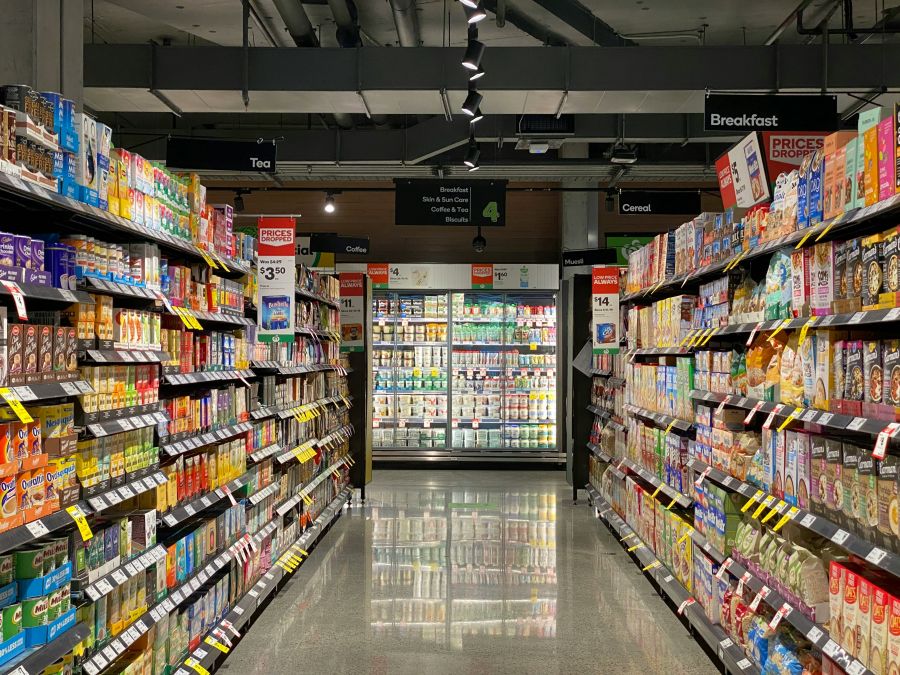
The solution is to grow and process more food in Canada for both domestic use and exporting.
To control our own destiny, so to speak.
To produce local, to eat local and to avoid costly international tariffs and shipping costs.
But, of course, that's easier said than done.
"We have great capacity in Canada," said Barlow.
"We grow so much. Canada has to figure out logistics and manufacturing efficiencies to bolster Canadian companies and manufacturers. The government has to reduce red tape and streamline regulations to make it easier for food growers and processors to do business."
Barlow calls the increased GST rebate to offset the cost of groceries a band-aid and six weeks into the Grocery Code of Conduct it's too early to say if it will make food more affordable.
The network said Canada is a great 'farm', but it has outsourced the 'kitchen' to rely on the US for processed good.
True food sovereignty requires rebuilding the 'kitchen'.
"We must prioritize building resilience and sovereignty in our supply chains, including the parts that people rarely see: modernizing process and manufacturing, as well as improving logistics and forecasting to reduce waste," summed up network CEO Dana McCauley.
Barlow added the food cost crisis is a big ship to turn, but that it's hopefully starting to happen because it's essential to save the 1 in 9 jobs in Canada that are in food and agriculture.
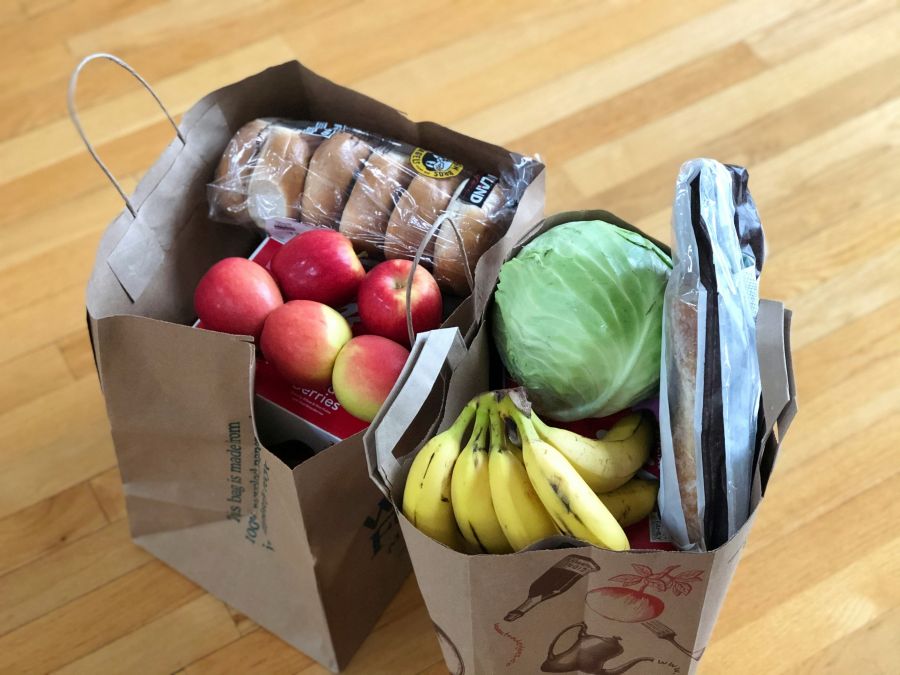
Federal Conservative leader Pierre Poilievre is demanding the governing Liberals do an emergency reversal on Liberal policies before Canadians go hungry.
"You said on your first day in office that you would be judged by prices at the grocery stores. Food prices are now rising twice as fast as when you said that and you have given Canada the worst food inflation in the G7," Poilievre wrote in an open letter to Prime Minister Mark Carney.
"That is why I am writing to demand emergency steps to reverse Liberal taxes and policies that are driving up the cost of food."
Poilievre said food inflation is now increasing 2.28 times faster than before Carney took office.
"That food should cost so much in a country with as much land, as many resources, and as incredible farmers as ours is utterly unacceptable," continued Poilievre.
"This has been a years-long failure to tackle the Liberal food affordability crisis that has driven a doubling of food bank line-ups.
The Conservatives want a Food Affordability Plan to remove hidden taxes that drive up the cost of food, including the industrial carbon tax on farm equipment, fertilizer and food processors, the fuel standards tax of 17 cents per litre that farmers and truckers have to pay and the food packaging tax that will cost Canadians $1.3 billion.